

Science behind our technology
Frezent addresses the problem of residual disease by disrupting lipid metabolism in cancer cells.
Fatty Acid Uptake and Synthesis in Cancer Cells
Cancer cells overexpress transporters like CD36 and enzymes like FASN (fatty acid synthase) to absorb or build fats, fueling rapid growth and blocking drug-induced cell death (apoptosis)
Fatty Acid Oxidation (FAO) Drives Treatment Resistance
Resistant cells shift their energy source to break down fatty acids inside mitochondria via drivers like CPT1, providing survival energy during treatments like chemotherapy or anti-HER2 therapies
Sphingolipid Metabolism Supports Survival and Promotes Drug resistance
Sphingolipid metabolism acts as a master molecular switch—known as the sphingolipid rheostat—that governs a cancer cell’s ability to transition dynamically between an actively dividing, proliferative state and a non-dividing drug-resistant dormant state.
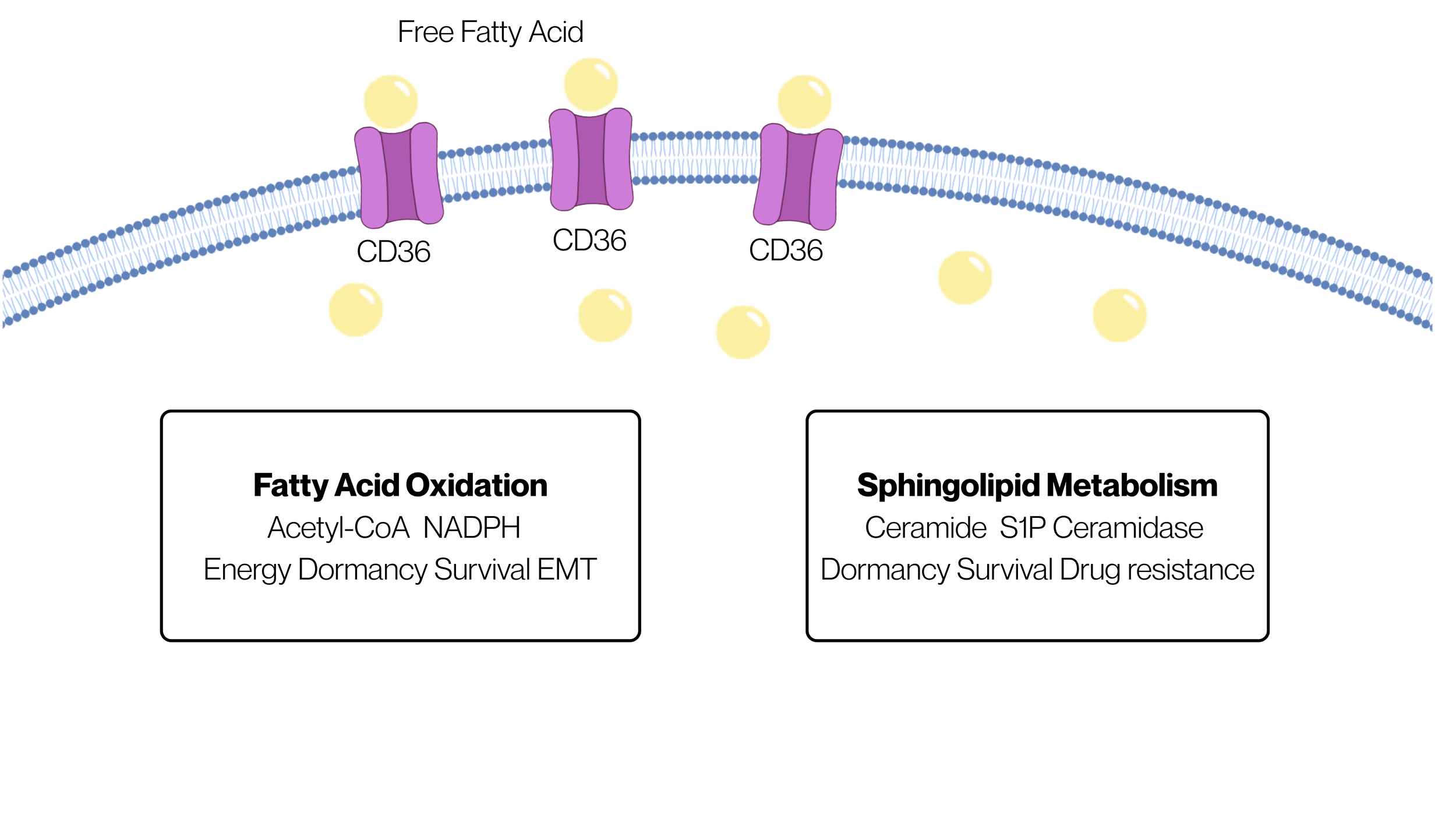
Frezent develops first-in-class therapeutics that eliminate cancer cells by targeting their distinct metabolic vulnerabilities.
Frezent’s strategy is disrupt lipid metabolism to induce to lipotoxic stress and apoptosis.
Frezent is blocking sphingolipid metabolism and shifting cancer cell away from fatty acid oxidation to induce apoptosis in both non-dividing and dividing cancer cells and to prevent dormant cancer cell reactivation after treatment is completed.
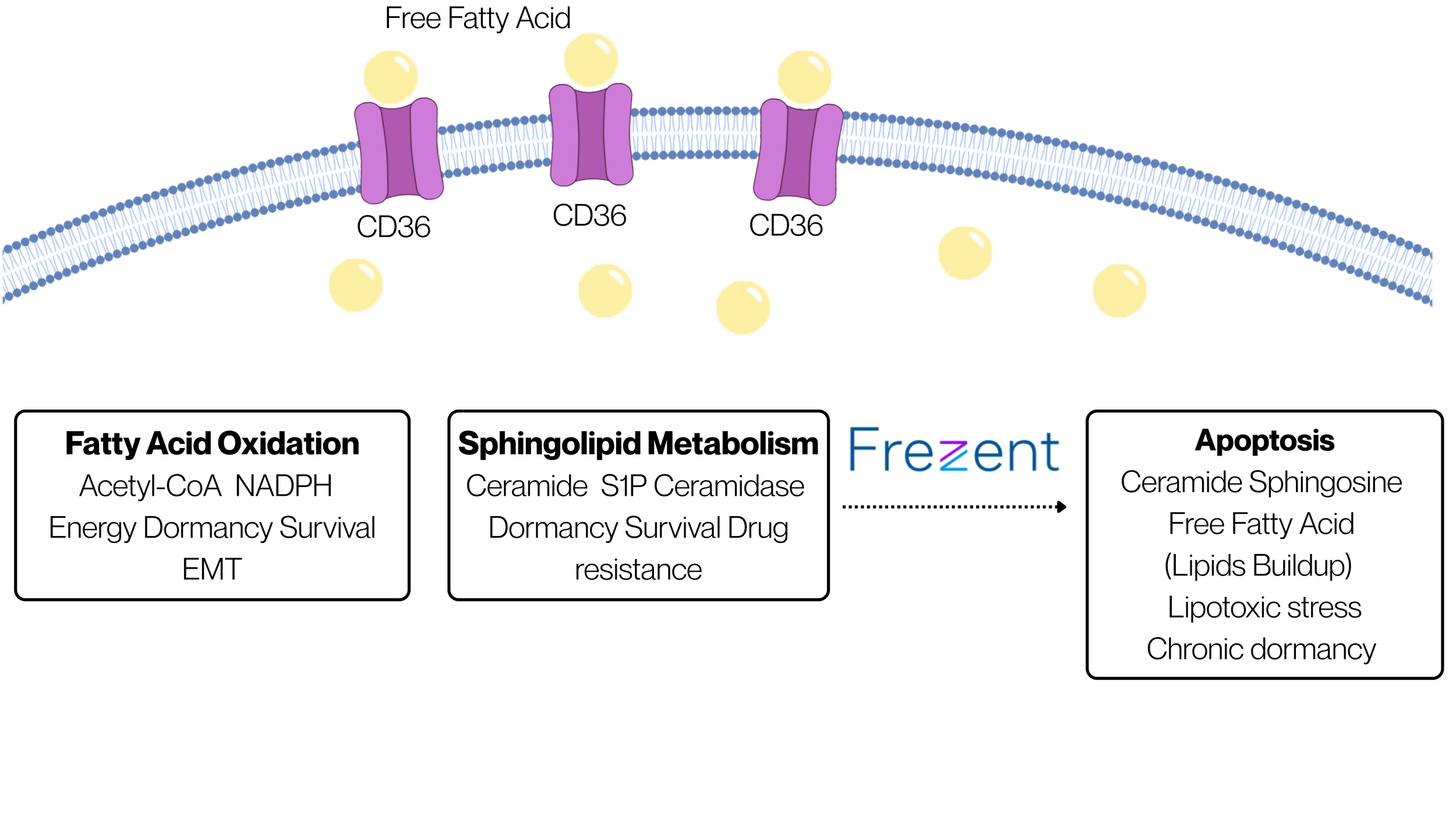
Cancer cells rely heavily on lipid metabolism reprogramming to sustain rapid proliferation, build new membranes, and survive extreme metabolic stress. Lipid metabolism reprogramming is a major driver of drug resistance in cancer, helping tumor cells survive chemotherapy, targeted therapies, and immunotherapy.
Therapeutic Programs
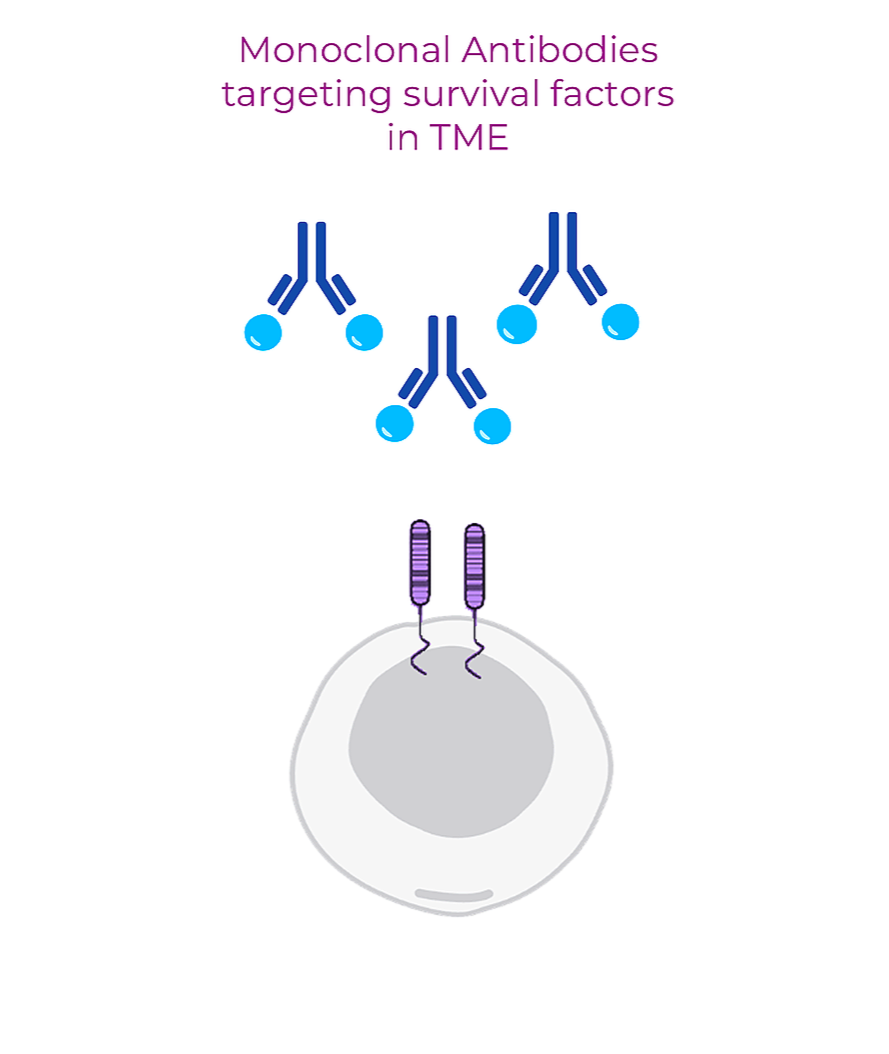
Metablolic enzymes are secreted into tumor microenvironment (TME) by the supporting cells and are transported to cancer cells to sustain their metabolic needs. We develop first-in-class monoclonal antibodies binding to the secreted metabolic enzymes in the TME. Antibody-enzyme complex makes the enzyme inactive and causes metabolic blockade inside cancer cells.
The strategy of capturing soluble enzymes outside of cancer cells using antibodies to induce intracellular cytotoxic effect is unique and offers safety for normal cells, that do not rely on extracellular transport of the metabolic enzymes.
Neutralizing Monoclonal Antibodies Program
Antibody-drug conjugate (ADC) Program
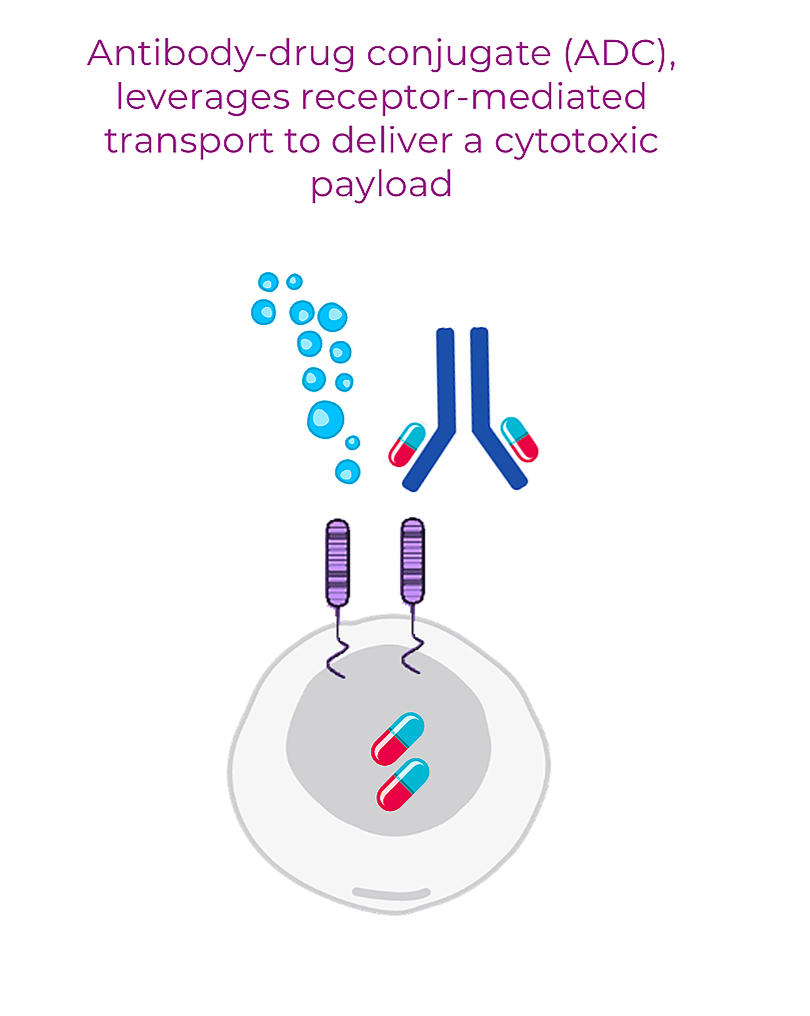
Antibody-Drug Conjugates (ADC) combines cancer specific antibody linked to a chemical inhibitor (payload). Binding of the antibody to the cancer specific receptor triggers transport of the ADC into cancer cells and release of the payload, followed by cytotoxic cell death.
Frezent discovered a specific receptor that is present on the surface of both dividing and non-dividing cancer cells. We developed a proprietary antibody, targeting this receptor, and now in the process of screening metabolic inhibitors that will become ADC payloads, tailored for specific cancers. This approach will overcome the limitations of existing payloads that are designed to act only against actively dividing cancer cells, and leave behind non-dividing (dormant) cancer cells.
Scientific Publications
Cheng, H., Wang, M., Su, J., Li, Y., Long, J., Chu, J., Wan, X., Cao, Y., & Li, Q. (2022). Lipid metabolism and cancer. Life, 12(6), 784. https://doi.org/10.3390/life12060784
Endo, H., & Inoue, M. (2018). Dormancy in cancer. Cancer Science, 110(2), 474–480. https://doi.org/10.1111/cas.1391
Giancotti, F. G. (2013). Mechanisms governing metastatic dormancy and reactivation. Cell, 155(4), 750–764. https://doi.org/10.1016/j.cell.2013.10.029
Linde, N., Fluegen, G., & Aguirre-Ghiso, J. (2016). The relationship between dormant cancer cells and their microenvironment. Advances in Cancer Research, 132, 45–71. https://doi.org/10.1016/bs.acr.2016.07.002
Recasens, A., & Munoz, L. (2019b). Targeting cancer cell dormancy. Trends in Pharmacological Sciences, 40(2), 128–141. https://doi.org/10.1016/j.tips.2018.12.004
Song, K., Wang, J., & Huang, D. (2023). Therapy-induced senescent tumor cells in cancer relapse. Journal of the National Cancer Center, 3(4), 273–278. https://doi.org/10.1016/j.jncc.2023.09.001